Supply Chain Visibility Breaks at the Handoffs: Fixing It Between Shipper, Broker and Carrier Systems
A shipper calls its broker looking for an update on a shipment. The broker checks the TMS, but the latest status is several hours old. Someone contacts the carrier, who confirms the truck is moving and should arrive on time.
The freight wasn't lost. There wasn't even a service problem.
The information simply hadn't made it from one system to another.
This is one of the biggest frustrations with supply chain visibility. Transportation organizations have invested heavily in tracking technology, yet employees still spend time calling, emailing, and checking multiple applications to understand what's happening.
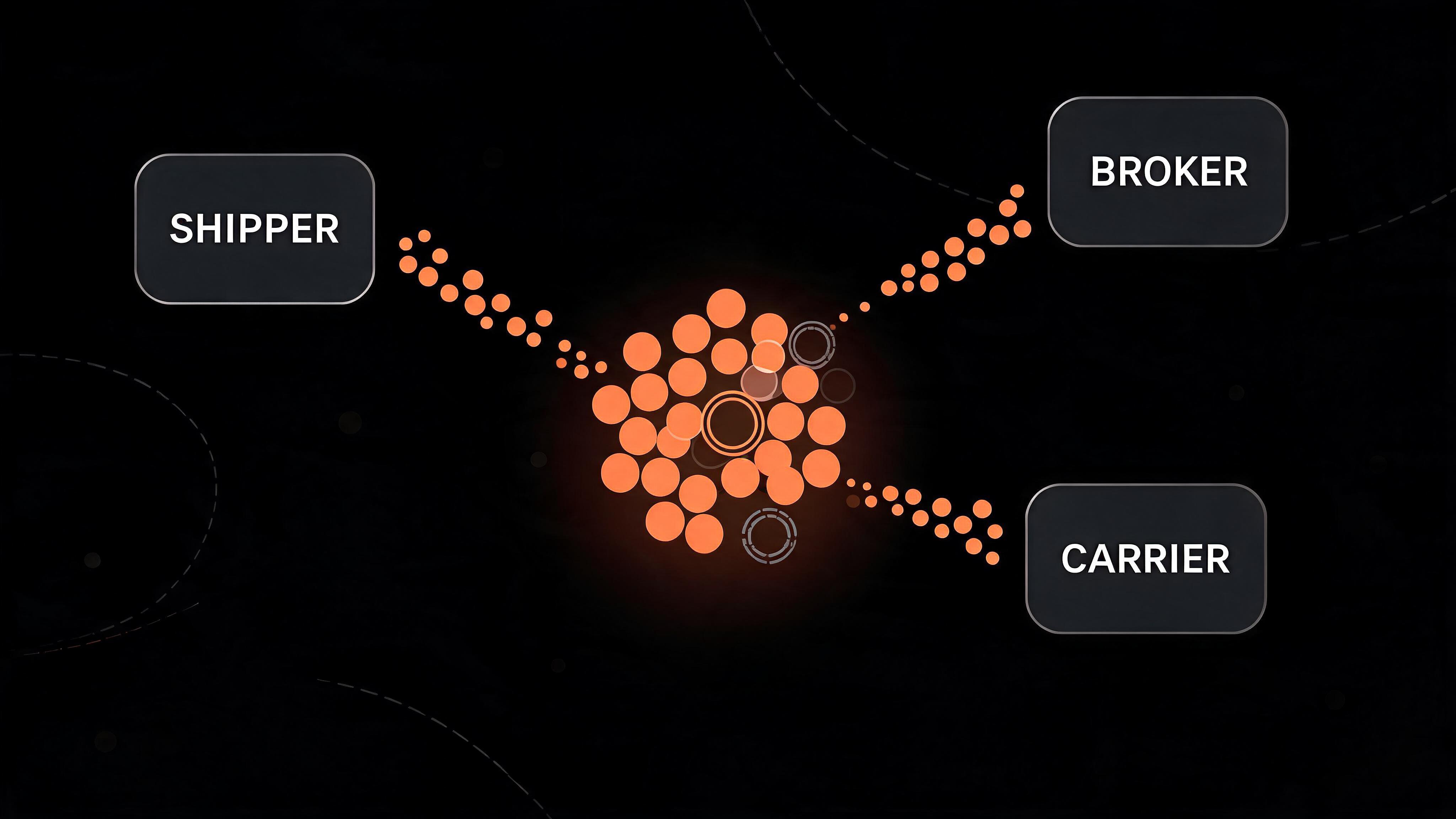
The problem often isn't a lack of information. It's what happens to that information as freight moves between shippers, brokers, and carriers.
Supply Chain Visibility Is More Than Tracking
Knowing where a truck is doesn't necessarily tell you whether a shipment is on schedule.
A shipper needs to know if freight will meet its delivery commitment. A broker needs to understand whether the carrier is performing as expected. An asset-based carrier needs to manage drivers, equipment, appointments, and customer requirements.
Those are different operational questions.
One system may have an accurate truck location. Another contains the delivery appointment. A third has the customer's service requirements.
Without the right connections, each organization may be working from a different understanding of the same shipment.
Where Visibility Breaks Down
From shipper to broker
Visibility problems can start before freight moves.
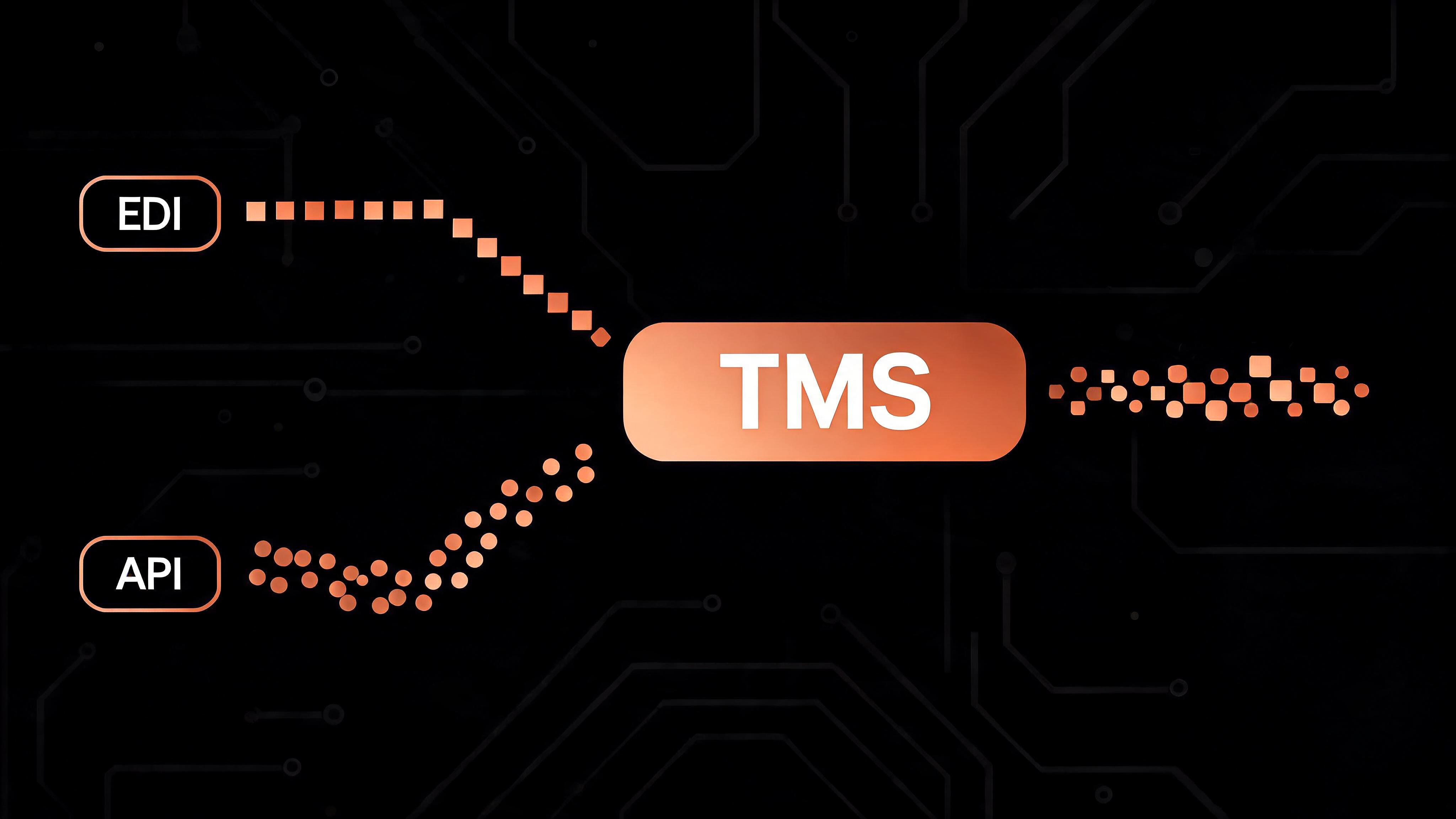
A shipper sends an order through EDI, an API, or another integration. That order includes pickup and delivery information, reference numbers, appointment times, and special instructions.
Now imagine the shipper changes the delivery appointment after the order is accepted.
The update leaves the shipper's system, but the broker's TMS doesn't process it correctly. The broker continues planning against the original appointment, and the carrier receives outdated instructions.
Everyone believes they're working with the right information.
The problem becomes obvious when the truck arrives at the wrong time.
From broker to carrier
The next handoff occurs when the broker tenders freight to a carrier.
The carrier accepts the load, assigns equipment and a driver, and begins execution.
Depending on the technology involved, information may move through EDI, APIs, portals, mobile applications, or visibility providers.
A carrier might change the assigned driver or tractor. A truck may arrive at the shipper without the status reaching the broker. A tracking update may be associated with the wrong load.
Now the broker's employees have to investigate.
The carrier may know exactly what's happening, but the broker and shipper are working with outdated information.
From carrier back to broker and shipper
Delivery creates another information handoff.
The driver arrives, unloads, and obtains delivery documentation. The carrier records the activity, but the broker and shipper still need confirmation.
One customer may require an EDI status transaction. Another may use a portal or API.
If the update doesn't arrive, the shipment can appear incomplete even though the freight was delivered successfully.
That affects service reporting, billing, customer scorecards, and potentially payment.
Why More Data Doesn't Automatically Improve Visibility
Transportation companies have access to location updates, telematics events, driver activity, appointment information, and estimated arrival times from numerous sources.
But having more data doesn't necessarily produce better information.
Consider an ETA calculated using a truck's current location. If the delivery appointment changed and that update never reached the tracking application, the ETA may not accurately reflect whether the shipment is on time.
Or an inbound system update might overwrite an appointment that a dispatcher has already confirmed.
These problems aren't solved by collecting more location points.
They require reliable information, consistent shipment records, and business rules that determine how updates should be handled.
How to Improve Visibility Across Transportation Systems
Establish consistent milestones. Define what arrival, departure, loaded, unloaded, and delivered mean. Determine which systems provide those updates and how conflicting information should be handled.
Identify the source of record. Decide which system is responsible for each critical piece of information. Not every inbound update should automatically replace an existing value.
Connect visibility to exception management. If a shipment is projected to miss its appointment, the information should reach the employee who can do something about it.
Support customer-specific requirements. Some customers expect frequent tracking updates. Others primarily need pickup, delivery, and exception notifications. Systems should accommodate those differences without unnecessary manual work.
Measure information quality. Tracking compliance is useful, but it doesn't tell the entire story. Also monitor late status updates, manual track-and-trace calls, ETA accuracy, and service issues caused by missing information.
Bringing Shipment Information Together
The TMS is where much of the shipment's operational context lives: the customer, assigned carrier or driver, planned stops, appointment requirements, and execution status.
Connecting visibility information to that record helps employees understand what an update means and whether action is necessary.
MasterMind supports this approach through a common transportation platform, configurable customer tracking requirements, and integrations with visibility providers including FourKites, project44, and MacroPoint.
The objective is to make shipment information part of daily transportation execution instead of another application employees have to monitor.
Better Visibility Means Fewer Questions
Good supply chain visibility isn't simply about knowing where freight is.
It's about knowing whether a shipment is progressing as expected, recognizing when something changes, and getting accurate information to the people responsible for responding.
Shippers, brokers, and carriers will always operate across different organizations and systems.
Making those handoffs work reliably is what turns tracking data into useful visibility.
FAQ’s
1. What is supply chain visibility in transportation?
Supply chain visibility is the ability to know whether a shipment is progressing as expected, not just where the truck is. It combines location data with the delivery appointment, customer requirements, and execution status so shippers, brokers, and carriers can act on the same information.
2. What is the difference between shipment tracking and supply chain visibility?
Tracking tells you where a truck is. Visibility tells you whether the shipment will meet its commitment. A truck can be moving on time while the appointment, driver assignment or delivery status has not reached the broker or shipper, which leaves them working from outdated information.
3. Why is supply chain visibility important?
Missing or late shipment information affects service reporting, billing, customer scorecards, and payment. Good visibility reduces manual track-and-trace calls and gets problems to the person who can fix them before a shipment misses its appointment.
4. Where does supply chain visibility break down?
It usually breaks at the handoffs: when a shipper sends or changes an order, when a broker tenders freight to a carrier, and when delivery confirmation goes back to the broker and shipper. Each handoff moves information between different systems, where updates can be delayed, rejected, or matched to the wrong load.
5. How can carriers and brokers improve supply chain visibility?
Define consistent shipment milestones, decide which system is the source of record for each piece of information, connect visibility to exception management, support customer-specific tracking requirements, and measure information quality such as late status updates and ETA accuracy.