Supply Chain Risk Management: A Framework for Transportation Networks
Anyone who's spent time in transportation knows that even the best plan can fall apart by lunchtime.
A truck breaks down. A driver runs out of hours. A carrier rejects a tender. A customer changes a delivery appointment after the freight is already moving.
None of these situations is unusual. Dealing with them is part of running a transportation operation.
What matters is how quickly your team recognizes a problem and whether it has enough information to respond before the impact grows.
That's what effective supply chain risk management is really about.
What Is Supply Chain Risk Management?
Supply chain risk management is the process of identifying potential disruptions, understanding their impact, and taking steps to protect service, cost, and operational performance.
For carriers, brokers, and shippers, risks range from major events such as severe weather and capacity shortages to everyday operational problems.
Sometimes the smaller disruptions create the biggest headaches.
Consider a driver delayed two hours at a distribution center. That delay could mean missing the next pickup, losing a planned backhaul, or running out of available hours. What started as a facility delay now affects multiple shipments and potentially several customers.
Managing risk means understanding those relationships rather than treating every exception as an isolated problem.
Where Transportation Networks Are Most Vulnerable
Capacity and carrier availability
Capacity problems don't have to affect the entire market to disrupt an operation.
A brokerage might depend heavily on a few carriers for an important lane. An asset-based carrier may have equipment available but not in the right location.
Understanding these vulnerabilities requires looking at tender acceptance, carrier commitments, equipment availability, and historical lane performance.
The time to identify alternative capacity isn't after a load has already been rejected.
Service disruptions
Weather, traffic, breakdowns, facility delays, and hours-of-service limitations are unavoidable.
What varies is their impact.
A truck running 30 minutes behind schedule may not matter for a flexible delivery. That same delay could create a significant problem for a customer with a narrow appointment window.
Transportation teams need to distinguish between routine changes and situations that threaten service commitments.
Financial exposure
Not every operational problem results in a late delivery.
Additional empty miles, unplanned detention, higher carrier costs, and missed accessorial charges can all erode profitability.
For brokers, a last-minute carrier substitution may eliminate the margin on a load. For asset-based carriers, an unexpected repositioning move can affect several days of equipment utilization.
Tracking these costs helps identify operational problems that might otherwise go unnoticed.
Inaccurate information
A dispatcher has one appointment time. The customer's system shows another. The tracking provider hasn't received the latest update.
Now employees are spending time determining which information is correct.
When transportation data lives in separate systems, these problems become harder to identify and resolve. The operation may be running according to plan while the information supporting it is not.
A Practical Framework for Managing Transportation Risk
The most effective approach starts with a few straightforward steps.
1. Identify recurring problems
Review service exceptions, tender rejections, detention, unplanned costs, and manual corrections. Ask dispatch, planning, customer service, and finance where problems occur most frequently.
2. Prioritize by impact
Not every exception deserves immediate attention. Consider the likelihood of a disruption, its potential cost, customer requirements, and how much time is available to respond.
3. Define the response
Establish what should happen when a carrier rejects a tender, a shipment is projected to arrive late, or a confirmed appointment changes. Determine who should be notified and who owns the decision.
4. Monitor execution
Risk management can't stop once a load is planned. Current shipment information, driver availability, and projected arrival times help teams recognize problems while there's still time to act.
5. Learn from the results
Measure how often exceptions occur, how long they take to resolve, and what they cost. Recurring problems may indicate a need to change the planning process, carrier strategy, or customer workflow.
Technology's Role in Managing Risk
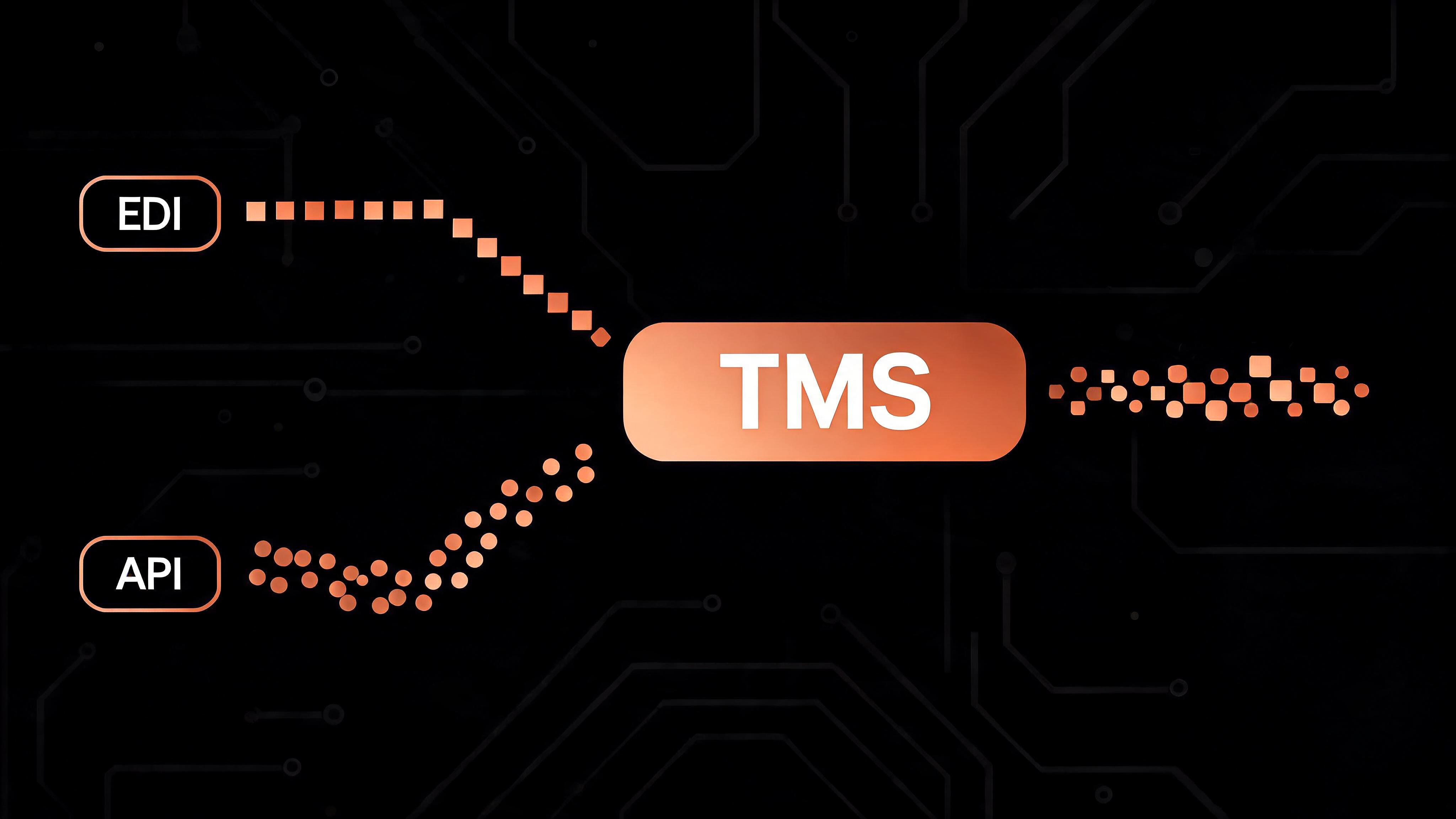
Transportation risk becomes harder to manage when employees have to search multiple applications to understand what's happening.
A connected transportation management system gives teams better access to shipment, carrier, driver, and customer information within their daily workflows.
For example, MasterMind's At-Risk capabilities help identify shipments whose projected arrival times may threaten service commitments, allowing employees to focus on freight that needs attention.
Combined with carrier performance information and configurable operating rules, these capabilities support a more proactive approach to exceptions.
Technology won't prevent every disruption. But it can help teams recognize problems earlier and make better decisions.
Build a Transportation Network That's Ready to Respond
No organization can eliminate transportation risk.
What carriers, brokers, and shippers can control is how well they prepare, how quickly they identify problems, and how consistently they respond.
Start with the risks that affect your business most often. Understand their impact, establish clear processes, and make sure employees have reliable information.
You can't control everything that happens on the road. You can control how prepared your operation is when something changes.
FAQ’s
1. What is supply chain risk management in transportation?
Supply chain risk management is the process of identifying potential disruptions, understanding their impact, and taking steps to protect service, cost, and operational performance. In transportation, it covers everything from severe weather and capacity shortages to everyday problems like a rejected tender or a driver running out of hours.
2. What are the main types of supply chain risk in transportation?
The four main areas are capacity and carrier availability, service disruptions, financial exposure, and inaccurate information. Each can affect service and margin, and small problems such as a facility delay often spread across several shipments and customers.
3. What are the steps in supply chain risk management?
A practical approach has five steps: identify recurring problems, prioritize them by impact, define the response for each situation, monitor execution while freight is moving, and learn from the results by measuring how often exceptions occur, how long they take to resolve, and what they cost.
4. How do you prioritize transportation risks?
Not every exception deserves immediate attention. Weigh the likelihood of the disruption, its potential cost, the customer’s requirements, and how much time is available to respond. A 30-minute delay may not matter for a flexible delivery but can be serious for a narrow appointment window.
5. What KPIs help measure transportation risk?
Useful measures include tender rejections, service exceptions, detention, unplanned costs, manual corrections, exception frequency, time to resolve exceptions, and the cost of each exception. Tracking them over time shows whether planning, carrier strategy, or customer workflows need to change.
6. How can carriers and brokers reduce capacity risk?
Review tender acceptance, carrier commitments, equipment availability, and historical lane performance to spot lanes that depend on too few carriers or equipment in the wrong place. Identify alternative capacity before a load is rejected, not after.