Logistics Software for Enterprise Carriers and Brokers: How Each System Fits Together
Most enterprise carriers and freight brokers didn't set out to build a complicated technology environment.
They added systems as the business needed them.
A customer required a new visibility platform. The fleet adopted another ELD provider. An acquisition brought in a different TMS. Finance implemented new accounting software.
Each decision probably made sense at the time.
A few years later, however, the business may be operating a collection of applications that don't communicate particularly well.
The issue isn't necessarily how many systems a company uses. It's whether those systems support the way transportation work actually gets done.
The TMS: The Center of Transportation Operations
A transportation management system (TMS) manages the movement of freight from order acceptance through execution and settlement.
For asset-based carriers, that includes load planning, dispatch, driver and equipment assignments, delivery, and driver-related financial processes.
For brokers, the workflow involves customer orders, pricing, carrier selection, tendering, shipment tracking, billing, and carrier payment.
Enterprise organizations often need both.
Consider a carrier operating an asset-based fleet and a brokerage division. When freight comes in, the company needs to decide whether to move it on its own equipment or use a third-party carrier.
That decision affects equipment utilization, operating cost, customer service, and profitability.
When those operations are managed in separate systems, employees may have to compare information manually before making the decision.
ERP and Financial Software
Enterprise resource planning (ERP) and financial systems handle broader accounting, purchasing, and reporting functions.
They depend on accurate transportation information.
For example, after a load is delivered, the financial system needs the correct customer charges, carrier costs, and accessorials.
If detention is recorded in the TMS but doesn't reach the financial system, revenue may be missed. If carrier payment information doesn't match, employees have to reconcile the discrepancy.
Connecting transportation execution with financial systems helps reduce those problems and supports more accurate reporting.
ELD, Telematics, and Fleet Management
For asset-based carriers, ELDs and telematics systems provide information about driver hours, equipment location, and vehicle activity.
That information becomes much more useful when it's available during transportation planning.
Dispatch needs to know whether a driver has enough hours to complete an assignment. Planners need accurate equipment availability. Customer service needs current shipment information.
When these applications are integrated with the TMS, employees can use the information without constantly moving between systems.
Shipment Visibility Platforms
Visibility platforms collect and communicate shipment tracking information from carriers, telematics providers, mobile applications, and other sources.
They help brokers and shippers understand where freight is and whether it's moving according to plan.
But location data alone doesn't tell the entire story.
A truck's position matters in relation to the delivery appointment, customer requirements, and the remaining route.
Visibility becomes more useful when that information is connected to the shipment record and the operational workflow.
Carrier Onboarding and Compliance
Brokerages and carriers using third-party capacity rely on specialized systems to manage carrier authority, insurance, safety information, and onboarding.
Providers such as Highway and RMIS support these processes.
The important part is connecting qualification information to carrier selection.
If a carrier no longer meets insurance or compliance requirements, that information needs to affect whether it can be assigned freight.
Otherwise, compliance becomes a separate process that employees must remember to check.
Rating, Optimization, and Analytics
Other applications support transportation pricing, route optimization, reporting, and performance analysis.
These tools depend on reliable information.
An optimization recommendation based on outdated equipment availability won't be particularly useful. A profitability report missing accessorial expenses may misrepresent actual margins.
The quality of the results depends on how well the underlying systems share and maintain data.
How to Evaluate Your Logistics Software Environment
Before adding another application, review how information moves through the business.
Where do employees enter the same information twice? Which processes still rely on spreadsheets? How many applications does a dispatcher need to complete a routine task?
Just as importantly, identify which systems already work well.
Not every specialized application needs to be replaced. Some provide valuable functionality that would be difficult or unnecessary to duplicate.
As we discuss in There Is No Perfect Logistics Tech Stack, the objective should be an adaptable technology environment built around business requirements.
That means understanding which applications should remain, where consolidation makes sense, and how information should move between them.
Why the TMS Architecture Matters
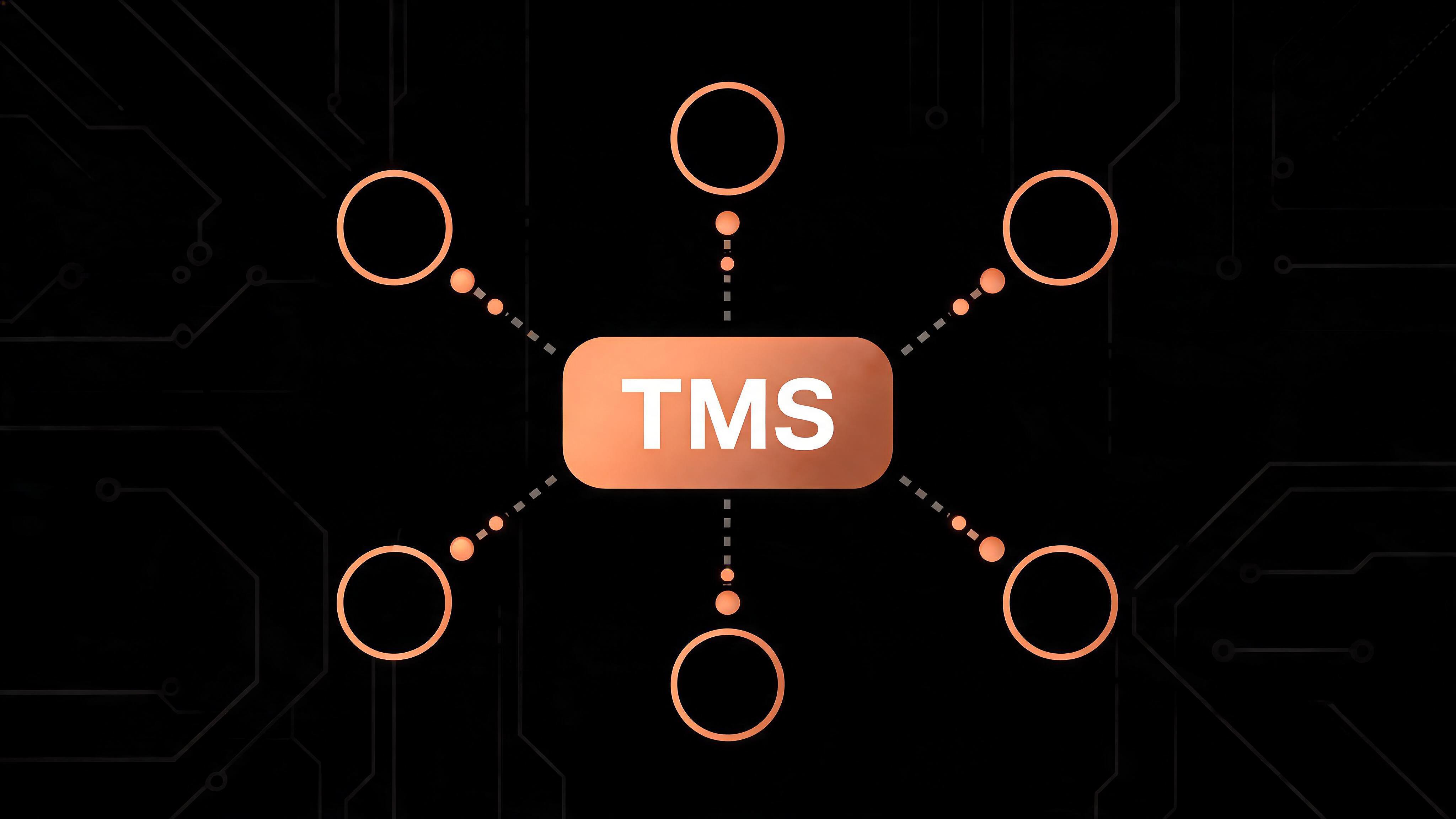
Because the TMS sits at the center of transportation execution, its architecture affects the rest of the technology environment.
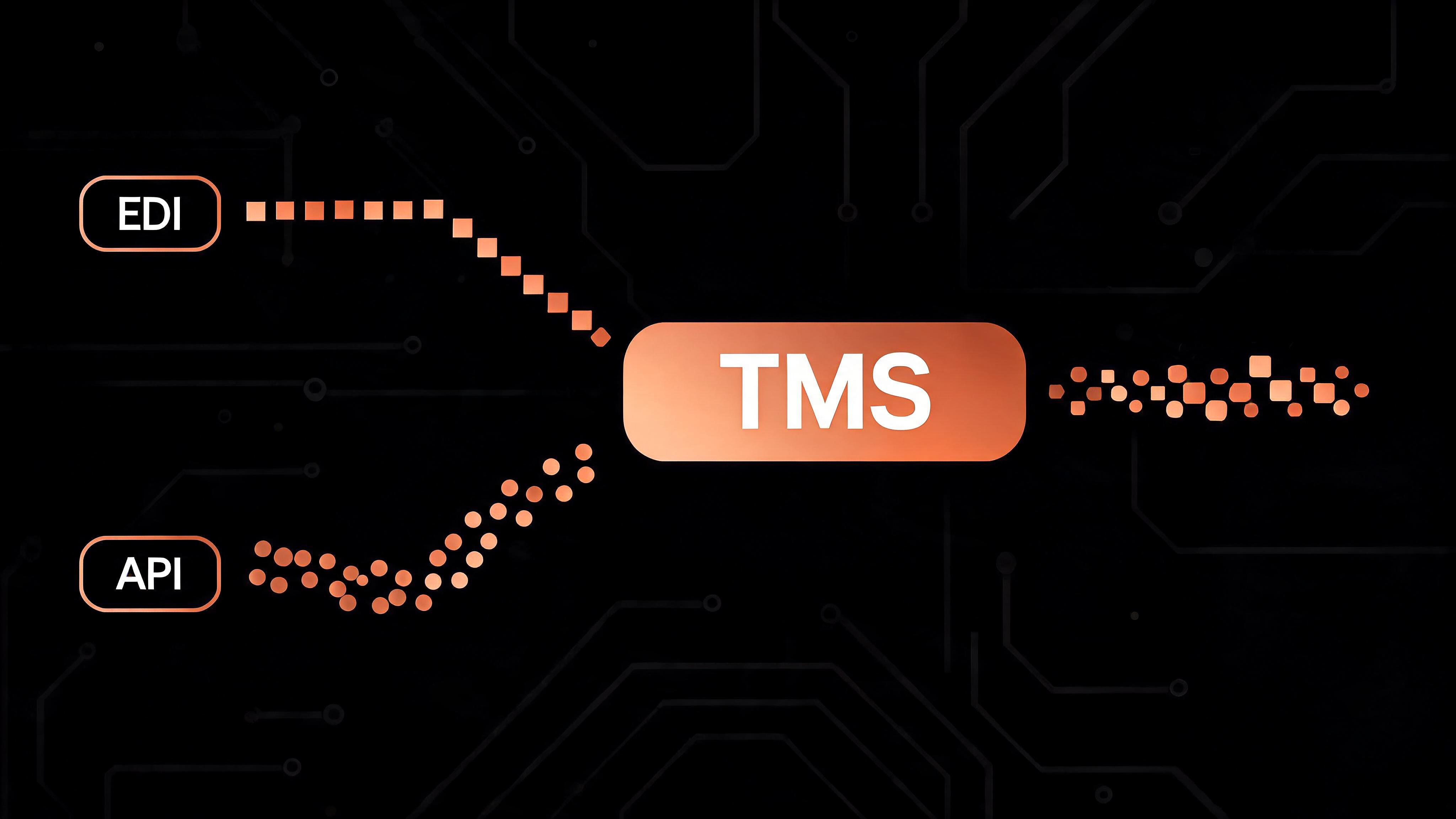
MasterMind, for example, supports asset-based and non-asset transportation operations on a common cloud-native platform. Its API-first architecture also allows organizations to connect specialized applications across tracking, telematics, finance, and compliance.
That approach gives transportation companies an opportunity to simplify operations while retaining technology that continues to deliver value.
Software Should Support the Operation, Not Complicate It
The best logistics software environment isn't necessarily the one with the fewest applications or the longest feature list.
It's the one where employees can manage freight without reentering information, switching between unnecessary systems, or questioning which record is correct.
For enterprise carriers and brokers, that starts with understanding how work gets done and making sure the technology supports it.
FAQ’s
1. What software is used in logistics?
Enterprise carriers and brokers typically use a transportation management system (TMS), ERP and financial software, ELD and telematics systems, shipment visibility platforms, carrier onboarding and compliance tools, and rating, optimization and analytics applications. The TMS usually sits at the center and connects to the others.
2. What is a TMS in logistics?
A transportation management system (TMS) manages the movement of freight from order acceptance through execution and settlement. For carriers, it covers load planning, dispatch, driver and equipment assignments, and delivery. For brokers, it covers customer orders, pricing, carrier selection, tendering, tracking, billing, and carrier payment.
3. What is the difference between a TMS and an ERP?
A TMS runs transportation execution, from orders and dispatch to delivery and settlement. An ERP handles broader accounting, purchasing, and reporting. The ERP depends on accurate data from the TMS, such as customer charges, carrier costs and accessorials, so the two systems need to be connected.
4. Why should ELD and telematics data be integrated with the TMS?
ELD and telematics data on driver hours, equipment location, and vehicle activity is most useful during planning. When it is integrated with the TMS, dispatchers can see whether a driver has enough hours for an assignment without switching between systems.
5. Can one TMS manage both asset-based and brokerage operations?
Yes, and it matters for carriers that run a fleet and a brokerage division. When both operations share one system, teams can decide whether to move freight on their own equipment or with a third-party carrier without comparing information across separate systems.
6. How do you evaluate your logistics software stack?
Look at where employees enter the same information twice, which processes still rely on spreadsheets, and how many applications a dispatcher needs for a routine task. Then identify which systems already work well, where consolidation makes sense, and how information should move between them.